Sourcing
One salt range, two mines: why Khewra and Kalabagh together
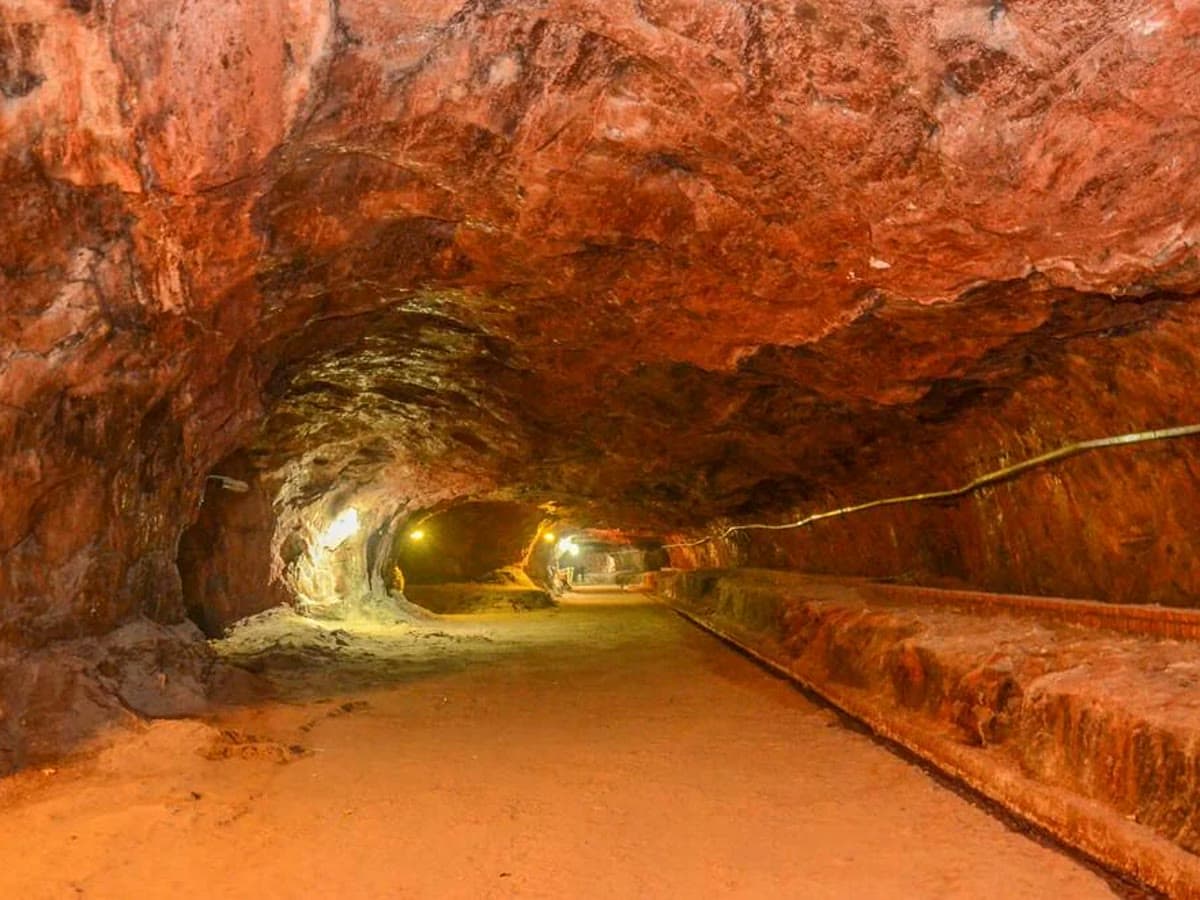
Most people who've heard of Himalayan pink salt have heard of Khewra — one of the world's oldest and largest salt mines, worked for generations in Pakistan's Salt Range. What's less known is that Khewra isn't the only seam in that range worth mining.
Kalabagh sits further along the same formation. Same geological origin, same mineral profile, different face of the mountain. For a supplier, that's not a redundant second source — it's a hedge against the single point of failure that comes from depending on one mine, one crew, one access road.
In practice this shows up as grade flexibility and capacity headroom: when one range is running a particular grind or grade at volume, the other can pick up an order without forcing a buyer to wait for a production slot to free up.
It also means a buyer isn't dealing with two separate supply chains to get there. Both ranges feed one coordinated line — sourcing, milling, and export managed through Himalac's own desk, so a buyer dealing with two mines' worth of supply still deals with one point of contact, one set of paperwork, start to finish.
For a buyer evaluating suppliers, the question isn't "does your salt come from Khewra" — plenty of suppliers can say yes. The better question is what happens when Khewra alone can't cover an order. That's where a second range on the same seam earns its keep.
Have a question this didn't answer?
Ask us directly — quotes and spec questions get a reply within two business days.